

Why do I wake up with dry eyes?
Why Do I Wake Up With Dry Eyes? Common Causes & How to Find Relief
Waking up with dry, irritated eyes can make even the best night’s sleep feel far from refreshing. If your eyes feel gritty, sore, watery, or sensitive first thing in the morning, you’re not alone. Morning dry eye is a very common issue and can affect people of all ages.
At Scartho Eyecare, we regularly help patients identify the root cause of dry eye symptoms and provide tailored treatment through our dedicated dry eye clinic.
What Is Dry Eye?
Dry eye occurs when your eyes either don’t produce enough tears or the tears evaporate too quickly. Your tears are essential for keeping the surface of the eye healthy, comfortable, and clear.
A healthy tear film contains three important layers:
An oily layer that prevents tears from evaporating too quickly
A watery layer that keeps the eyes hydrated
A mucus layer that helps tears spread evenly across the eye
When any of these layers become unbalanced, dry eye symptoms can develop.
Common Symptoms of Morning Dry Eye
Many people notice symptoms as soon as they wake up, including:
A gritty or sandy feeling in the eyes
Burning or stinging sensations
Redness
Blurred vision
Watery eyes
Sensitivity to light
Sticky eyelids or mucus around the eyes
Tired, heavy-feeling eyes
If these symptoms happen regularly, it may be time to seek professional advice.
8 Common Reasons Your Eyes Feel Dry in the Morning
1. Sleeping With Your Eyes Slightly Open
One of the most common causes is a condition called nocturnal lagophthalmos, where the eyelids don’t fully close during sleep. Even a tiny gap can allow tears to evaporate overnight, leaving your eyes dry and uncomfortable in the morning.
2. Meibomian Gland Dysfunction (MGD)
The meibomian glands in your eyelids produce oils that stop tears evaporating too quickly. If these glands become blocked or unhealthy, tears evaporate faster and dry eye symptoms worsen — especially overnight. This is one of the most common causes of evaporative dry eye.
3. Screen Time Before Bed
Spending long periods on phones, tablets, or laptops before sleep can reduce your blink rate. Less blinking means less tear distribution across the eye surface, which can worsen dryness by bedtime and into the next morning.
4. Dry Bedroom Air
Fans, central heating, air conditioning, or sleeping near an open window can dry out the air around you overnight. Low humidity can increase tear evaporation while you sleep.
5. Ageing
Dry eye becomes more common as we get older because tear production naturally declines with age. Hormonal changes can also contribute, particularly in women over 50.
6. Certain Medications
Some prescription and over-the-counter medications may contribute to dry eye symptoms, including:
Antihistamines
Antidepressants
Acne medications
Decongestants
Some blood pressure medications
7. Contact Lens Wear
Wearing contact lenses for long hours — or occasionally falling asleep in them — can disrupt the natural tear film and increase irritation and dryness.
8. Health Conditions & Allergies
Conditions such as diabetes, thyroid disease, arthritis, Sjögren’s syndrome, and seasonal allergies can all contribute to dry eye symptoms.
What Can Help Dry Eyes in the Morning?
Simple lifestyle changes may help improve symptoms, including:
Using preservative-free lubricating eye drops
Applying a warm compress before bed
Staying hydrated throughout the day
Reducing screen time before sleep
Using a humidifier in the bedroom
Taking regular screen breaks during the day
Improving eyelid hygiene
However, if symptoms persist, professional assessment is important to identify the underlying cause.
How Our Dry Eye Clinic Can Help
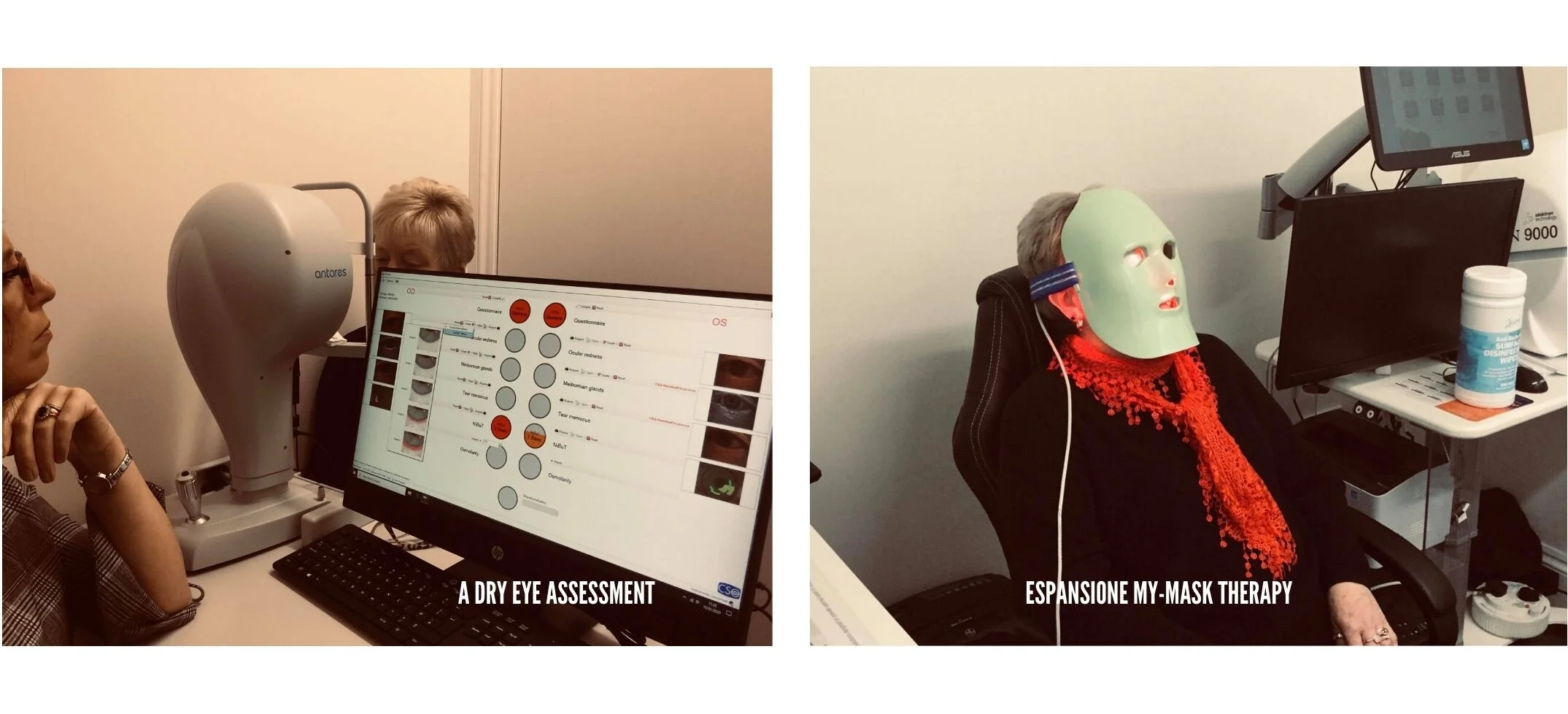
At Scartho Eyecare, our dry eye clinic offers advanced assessments to determine exactly what’s causing your symptoms.
We evaluate:
Tear quality and stability
Meibomian gland function
Eyelid health
Tear production levels
Environmental and lifestyle factors
From there, we create a personalised treatment plan designed to improve comfort, reduce irritation, and support long-term eye health.
When Should You Book an Appointment?
You should consider booking a dry eye assessment if you experience:
Frequent morning dryness or irritation
Ongoing redness or watery eyes
Blurred vision that comes and goes
Difficulty wearing contact lenses
Symptoms that don’t improve with standard eye drops
Early treatment can make a significant difference to both comfort and eye health.
If you’re struggling with dry eyes, the team at Scartho Eyecare is here to help you find lasting relief through expert care and tailored treatment options.
